Deprecated: Creation of dynamic property VcTemplateManager::$plugin_dir is deprecated in /homepages/38/d844230958/htdocs/clickandbuilds/ereputationbuilder/wp-content/plugins/templatera/lib/vc_template_manager.php on line 63

Warning: Cannot modify header information - headers already sent by (output started at /homepages/38/d844230958/htdocs/clickandbuilds/ereputationbuilder/wp-content/plugins/templatera/lib/vc_template_manager.php:63) in /homepages/38/d844230958/htdocs/clickandbuilds/ereputationbuilder/wp-includes/feed-rss2.php on line 8
alphonse tan – Reputation Management https://ereputationbuilder.com Powered by Cactus Sky Digital Thu, 02 Jul 2015 16:54:15 +0000 en-US hourly 1 https://wordpress.org/?v=6.9.4 Patient Use of Online Reviews https://ereputationbuilder.com/patient-use-of-online-reviews/ Thu, 02 Jul 2015 16:53:24 +0000 http://ereputationbuilder.com/?p=1360

Today, more patients than ever use online physician reviews to search for a doctor—and that number is only continuing to grow. In 2013, Software Advice published the results of a survey we conducted in an effort to learn more about how patients use online reviews. One year later, we’re revisiting the topic to see how patients’ use of online reviews has evolved, and what new conclusions can be drawn.

Key Findings:

  1. The number of patients using online reviews jumped 68 percent from 2013 to 2014.
  2.  

  3. Nearly half of respondents would go out-of-network for a doctor that has more favorable reviews.
  4.  

  5. Yelp is the most popular online review site (27 percent), but ties with HealthGrades for most trusted.

More Patients Using Online Reviews in 2014

One of the most important findings from our survey is that significantly more patients are using online reviews. In 2013, we found that just 25 percent of respondents said they used online reviews. A 2012 survey by Dr. David Hanauer at the University of Michigan, meanwhile, found that just 22 percent said they had used online reviews once or more.

In 2014, however, this percentage jumped to 42 percent—marking a 68 percent increase from 2013. The degree to which patients use these reviews varies, however: 24 percent reported using them “often” or “sometimes,” while 18 percent reported using them “rarely.”

Patients’ Frequency of Using Review Sites

Patients’ Frequency of Using Review Sites

Good Reviews Nearly as Important as Being In-Network

In addition to a significant jump in the number of patients using online reviews, another statistic that points to the growing importance of reviews sites is that nearly half of respondents (44 percent) said they would consider going to an out-of-network doctor if their reviews were better than those of in-network doctors.

Willingness to Go Out-of-Network Based on Reviews

Willingness to Go Out-of-Network Based on Reviews

This is a significant change from 2013, when just 26 percent of respondents said they’d be willing to go out-of-network because of more favorable reviews. The shift in patient sentiment here seems to reflect a growing reliance on online physician reviews over other factors when selecting a healthcare provider.

Consulting an out-of-network doctor is no small inconvenience to a patient, either through increased out-of-pocket expenses, time and effort required to change insurance providers or general uncertainty about fees and coverage. As such, the fact that nearly half of respondents would consider such a change based on reviews speaks to just how big of a role such reviews can play in a patient’s decision.

As Dr. Hanauer notes, “In many ways, the longer reviews remain on reviews sites and the more people leave them, the more ‘valuable’ they become as an information asset.”

Yelp Is Most Used Site; Healthgrades and RateMDs a Close Second

Next, we wanted to learn which websites respondents use most frequently to leave or consult reviews. Yelp secured the top spot, used by 27 percent of respondents, while Healthgrades and RateMDs each came in at 26 percent.

Most Used Review Sites

Most Used Review Sites

It’s important to note that, while Rate MDs was not included as a choice in our 2013 survey, it makes a strong showing in 2014. In fact, this year’s results are marked by increased parity among the top three online review sites, which collectively account for 79 percent of respondents’ choices.

This data suggests that doctors who diversify their online presence and list themselves on multiple sites may have an advantage over their colleagues in both attracting new patients and retaining existing ones.

As Dr. Tara Lagu of Baystate Medical Center notes, “Online patient-generated content is here to stay—so we might as well use it to make ourselves better doctors. I recommend physicians encourage their patients to leave reviews and regularly examine their ‘digital footprint’ as part of maintaining their online reputation.”

Yelp and Healthgrades Are Most Trusted Reviews Sites

In 2013, Yelp was overwhelmingly the most trusted site for online physician reviews, at 44 percent. This year, however, Healthgrades has pulled even with Yelp, with both sites accounting for 26 percent of respondents.

As previously noted, Rate MDs was not included in last year’s survey. In 2014, however, 24 percent believe it to be the most trustworthy site.

Most Trusted Review Sites

Most Trusted Review Sites

According to Hanauer, many patients are hesitant to trust the reviews they read online because such a small percentage of patients leave reviews. “The anonymous nature of [reviews] also makes it hard to know who left the ratings or to understand their underlying motivations,” he adds.

While anonymity with respect to physician reviews is and will likely remain a reality due to privacy concerns, increasing the percentage of patients who write reviews can significantly impact the perceived trustworthiness of those reviews. Hanauer’s study, for example, found that just 5 percent of patients leave physician reviews online, meaning there is significant room for improvement in this area.

Most Patients Use Online Reviews Prior to Choosing Physician

Next, we wanted to learn when patients are most likely to use online reviews. Our survey found that the majority (61 percent) use them prior to choosing a doctor. However, a slightly greater percentage of patients in 2014—20 percent, up from 19 percent in 2013—say they use online reviews to evaluate their current doctor.

When Patients Use Online Reviews

When Patients Use Online Reviews

While this finding may or may not indicate a trend towards greater reevaluation of current physicians, we do know the current healthcare climate is more patient-centric today, with a greater emphasis on the patient as consumer. As such, it would make sense that more patients are using reviews not only to evaluate new doctors, but also as a barometer to gauge the quality of their existing care.

Doctors should be aware that both current and new patients may be using reviews to evaluate their performance, and thus having a positive online presence on review sites is a step toward not just attracting patients, but retaining them.

Quality of Care Remains Most Valuable Information

The increasing importance of online reviews correlates with another trend: for the second year, quality of care is the information patients value most, cited by 48 percent of respondents. In second place is patient rating scores, cited by 45 percent of respondents, followed closely by the overall patient experience, at 40 percent.

Less important information to respondents included practice demographics and the appearance of the doctor’s office, which were cited by 25 and 11 percent, respectively.

Most Sought-After Information (General)

Most Sought-After Information General

To benefit most from this data, doctors should consider encouraging patients to rate the quality of care they receive. This can be done by sending patients email reminders with a link to the physician’s online profiles asking them to leave a review. There are also reputation management services, such as MyPracticeReputation that advise physicians on strategies to improve their online presence.

Ultimately, however, the best way to ensure good reviews is for doctors to think of patients as consumers. Patients can, and will, choose the healthcare provider that appeals to them most, which means doctors must strive to provide the best care possible to win their business.

Accuracy of Diagnosis Most Important Delivery of Care Information

When it comes to what delivery of care information patients value most in reviews, this year’s results were very similar to 2013: accurate diagnoses (34 percent) and a doctor’s listening skills (22 percent) took the top two spots.

Most Sought-After Information (Delivery of Care)

Most Sought-After Information Delivery of Care

Due to the exorbitant costs of healthcare today, an inaccurate diagnosis can have extremely negative effects on a patient’s finances and cause tremendous undue stress and mental anguish. As such, it’s not surprising that an accurate diagnosis ranks most highly.

Similarly, good listening and communication skills have long been a crucial element of effective healthcare, so much so that bedside manner has been a focus of the of practice good medicine since the classical world. In fact, some suggest that the quality of the doctor-patient relationship has a direct effect on patients’ health, as improving communication skills can lead to a better understanding of a patient’s well-being, thus increasing the accuracy of diagnoses and improving overall health.

In terms of administrative information, 25 percent of respondents cited wait times as most important, which was likewise the most sought-after information in 2013. This isn’t surprising; as prior Software Advice research found that 41 percent would consider switching doctors if it meant reduced wait times.

Staff friendliness came in second, at 22 percent, while ease of scheduling and billing/payment issues came in at 19 and 16 percent, respectively. These results suggest that, as the notion of patients as consumers continues to proliferate, customer service is, and will continue to become, more important.

Most Sought-After Information (Administrative)

Most Sought-After Information Administrative

Most Reviewers Share Positive or Neutral Reviews

A common concern among physicians is exposing themselves to scrutiny or negative reviews online. According to Hanauer, “The concern is that the negative reviews are probably disproportionate to the number of negative experiences patients have. Even if ‘only’ 19 percent of online reviews are negative, we as clinicians would hope that far fewer than one out of five patients had a negative experience.”

Yet, when asked what kind of review they typically write about their doctor, patients’ responses were quite different than what one might expect: 43 percent of respondents say they usually write something positive, while another 28 percent say their responses tend to be neutral.

Type of Review Patients Typically Write

Type of Review Patients Typically Write

As it turns out, others have found a similar trend in online reviews of physicians, and the University of Michigan study found that 81 percent of respondents typically gave positive or neutral reviews of doctors online. In each of these surveys, it’s clear that patients generally tend to focus on the positive aspects of care over negative experiences.

As further evidence, one only has to look at the motivations of patients writing reviews. In our survey, 32 percent of respondents cited helping other patients, while 30 percent said sharing a positive experience was their primary incentive for leaving a review.

Patients’ Top Motivation for Writing Reviews

Patients’ Top Motivation for Writing Reviews

Patients Focus on Positive When Choosing Doctors

In addition to reviews being largely positively motivated, we found that those who use reviews to choose a doctor overwhelmingly use positive reviews when making a decision: 85 percent of respondents said they’d be at least “moderately likely” to choose one doctor over another based on positive reviews. This indicates patients actively seek out positive healthcare experiences, rather than merely avoiding negative ones.

Likelihood of Choosing a Doctor Based on Positive Reviews

Likelihood of Choosing a Doctor Based on Positive Reviews

Our data also suggests that patients reading reviews are savvy enough to ignore what they consider “exaggerated” reviews. In fact, 34 percent cited “exaggerated reviews” as the primary reason for disregarding a review—more so than any other reason—indicating that patients are perceptive about negative reviews, and can tell a valid complaint from an overreaction.

Most Common Reasons for Disregarding Reviews

Most Common Reasons for Disregarding Reviews

This information should allay physician fears regarding negative reviews. Reviews tend to be positively motivated and interpreted, and thus, proactively encouraging patients to leave good reviews is far more a benefit than a risk.

Should a negative review appear, however, Lagu suggests that physicians “respond if possible, make improvements when possible and remember that most Internet users are savvy and consider online content with caution and in the context of other reviews.” She adds, ”The best response to a negative review is the presence of many more positive reviews from other patients.”

Conclusions

Our survey findings indicate that having online profiles and positive patient reviews is not only desirable for physicians, but may soon become a necessity to attract and retain patients, particularly as the healthcare arena becomes increasingly patient-centric.

Physicians should also keep in mind that negative reviews are not nearly as prevalent as many think. Those that do occur, however, should be responded to very carefully in order to protect patient anonymity (and remain in compliance with HIPAA). Most reviews are positively motivated, so focusing on increasing the quality of care via improved diagnostic accuracy and listening skills is, according to our data, the best way to ensure a greater number of positive reviews.

Methodology

To find the data in this report, we surveyed a sample of 4,620 patients in the United States, collecting a minimum of 385 responses for each question. We worded the questions to ensure that each respondent fully understood their meaning and the topic at hand.

Sources attributed and products referenced in this article may or may not represent partner vendors of Software Advice, but vendor status is never used as a basis for selection. Interview sources are chosen for their expertise on the subject matter, and software choices are selected based on popularity and relevance.

Expert commentary solely represents the views of the individual. Chart values are rounded to the nearest whole number.

If you have comments or would like to obtain access to any of the charts above, please contact kathleenirwin@softwareadvice.com.


]]>
How Clients Use Online Legal Reviews https://ereputationbuilder.com/how-clients-use-online-legal-reviews/ Thu, 02 Jul 2015 16:45:43 +0000 http://ereputationbuilder.com/?p=1356

Many individuals turn to online reviews websites, such as Yelp and Zagat, in order to evaluate the best available food options when they want to dine out. But online reviews aren’t limited to restaurants—those seeking legal assistance also have many options to choose from that allow them to compare attorneys on the Web.

Since people often seek legal counsel when a private, serious matter occurs, online reviews provide an easy, confidential way to evaluate attorneys. To learn which legal reviews sites individuals are using, how they’re using them and what they’re looking for, we surveyed a random sample of adults in the U.S. We collected 385 unique responses to each of nine questions, giving us a total of 3,465 respondents.

Key Findings:

  1. Yelp is the most popular and trusted website for legal reviews.
  2.  

  3. The most important information to prospective clients is quality of service and years of legal experience.
  4.  

  5. Seventy percent of prospective clients would travel further to see an attorney with better online reviews.


Yelp Is the Most Popular and Trusted Website

Yelp is the most commonly used site to search for attorney reviews online—58 percent of respondents in our sample said it was the first place they turn. It’s also the website that 61 percent of users view as the most trustworthy.

Most Popular Websites for Attorney Reviews

Most Popular Sites for Attorney Reviews

Most Trusted Websites for Attorney Reviews

Most Trusted Websites for Attorney Reviews

As such, lawyers should make sure their Yelp profile is completely filled out and updated frequently to display the most accurate information possible.

Prospective Clients Use Online Reviews as an Initial Step

When it comes to how prospective clients use these review sites, the vast majority (83 percent) said they do so as their first step to find an attorney.

Only 9 percent use online reviews to evaluate an attorney they’ve already retained, while 8 percent do so to validate an attorney they’ve tentatively selected prior to scheduling a consultation.

Top Reasons Clients Use Online Reviews

Top Reasons Clients Use Online Reviews

This data indicates that attorney review sites could be an effective marketing channel for your firm, helping new clients find you and determine if your practice is the best fit for their legal needs.

This means it’s important to respond politely and constructively to any criticism posted on your firm’s Yelp page to resolve any potential issues and ensure you’re presenting a good first impression to clients.

Clients Most Interested in Quality of Service

When it comes to the type of information clients investigate when visiting legal review sites, 48 percent of respondents in our sample cited the quality of service provided as most important.

The overall ratings score (e.g. four out of five stars) was also important, with 38 percent of prospective clients ranking this among the most essential information they look for on reviews sites.

Top Information Clients Look for in Online Reviews

Top Information Clients Look for in Online Reviews

A key takeaway from this data is the importance of providing great service to your clients—enough so that they’re motivated to mention this in an online review.

As mentioned above, it’s also essential to constructively respond to negative comments to help keep your overall ratings high. Most sites, Yelp included, permit you to publicly respond to negative reviews.

Of course, lawyers have confidentiality concerns that other businesses don’t, which can make responding appropriately more challenging. This article provides tips on how attorneys can safely address negative online reviews.

Clients Want Attorneys to Clearly Explain Their Legal Options

When asked what the most important information about an attorney’s quality of service is, 33 percent of respondents in our sample said how well the attorney explains their legal options to them. Twenty-seven percent are curious about an attorney’s win/loss record—though that information can be misleading and hard to find.

Most Important Information About Quality of Service

Most Important Information About Quality of Service

Experience Is Most Important Demographic Information

The most important demographic information prospective clients seek is the years of experience an attorney has: 48 percent of respondents cited this as the first thing they look for on reviews websites.

Nineteen percent say certifications are most important, while 16 percent cite education as paramount. Age and gender are most important to 7 and 6 percent of respondents, respectively.

Most Important Demographic Information

These data points emphasize the importance of ensuring that online review sites are up-to-date with how long you’ve been practicing law and what certifications you hold. If you’re a younger or less-experienced attorney, be sure to highlight your education and certifications.

Responsiveness Is Most Important Administrative Information

On the administrative front, prospective clients are primarily turning to online review sites to locate information about how responsive an attorney is (39 percent) and how well they handle billing and payment issues (23 percent).

Friendliness of legal staff is most important to 16 percent of online review users in our sample, while 13 percent seek information about how easy it is to schedule appointments.

Somewhat surprisingly, only 7 percent of respondents said they cared about the type of office you have—i.e. whether consultations take place in a more traditional setting with an attorney sitting behind a mahogany desk, or the attorney’s “office” is a coffee shop.

Most Important Administrative Information

Most Important Administrative Information

These findings emphasize the importance of instituting a rapid response policy for all client communication at your firm, both current and prospective. They also suggest it may not be worth splurging on lavish office furniture as a means of impressing clients.

70 Percent of Clients Will Commute for Better Reviews

A whopping 70 percent of respondents in our sample said they would consider going to an attorney in an inconvenient part of town if he or she had better online reviews than one closer to home. This certainly speaks to the importance of positive reviews in attracting new clients.

Willingness to Commute for Better Reviews

Willingness to Commute for Better Reviews

43 Percent of Clients Use Online Reviews to Research Lawyers

Forty-three percent of prospects say they use online reviews to research attorneys. While this is significantly less than how many consumers use online reviews to choose a restaurant, it’s higher than the percent of patients using online reviews to research doctors, and is still a significant portion of potential clients that shouldn’t be overlooked.

Percent Using Legal Reviews

Percent Using Legal Reviews

Low-Income, Rural Clients Least Likely to Use Reviews Sites

According to The Center for Public Integrity, “Every major survey has shown that the lower the income, the less likely it is that households will subscribe to the Internet.” So it’s not surprising that the lowest income bracket in our sample was the least likely to use online reviews—probably due in part to lack of Internet access and inability to afford a private attorney.

However, our research found that the likelihood of legal clients to use online reviews increased only up to an annual income of $49,000 per year—this likelihood decreased among those making $50,000 and more.

This is in contrast to our (previously cited) survey of medical patients using online reviews—their likelihood of using online reviews increased steadily with income levels. One explanation for this may be that many affluent clients already have an attorney they or their family consistently use, or they might rely on their wealthy peers for attorney recommendations instead of the Web.

Demographics: Clients Using Reviews by Income

Demographics: Clients Using Reviews by Income

Perhaps unsurprisingly, given the persistent lack of access to high-speed Internet among rural residents, urban and suburban prospects are much more likely to use online reviews than those in rural areas.

Demographics: Clients Using Reviews by Urbanicity

Demographics: Clients Using Reviews by Urbanicity

Clients in the 25-34 age bracket are significantly more likely than other age ranges to use online reviews. This makes sense, given that this Pew Research Center study indicates individuals in this age range are the most likely to use the Internet.

Demographics: Clients Using Reviews by Age

Demographics: Clients Using Reviews by Age

Conclusions

Having a powerful presence on legal reviews sites can help you attract new clients. An effective way to increase your online review presence is to ask current clients to leave reviews for you. Consider asking clients to leave a review after you’ve had a positive in-person consultation with them, or after their case has been favorably settled.

Asking specifically for reviews from clients in the demographics most likely to use reviews sites may also be useful. For example, since you know that age is correlated with likelihood to use reviews, you might focus on garnering reviews from clients aged 25-44.

You could also institute a client onboarding process that asks how they heard about your practice. Those who found you through an online review site may be more likely to leave a review given their familiarity with these resources, so be sure to ask for one.

To further discuss this report or obtain access to any of the charts above, feel free to contact me at chantelle@softwareadvice.com.


]]> Use of Online Reviews to Select Residential Service Providers https://ereputationbuilder.com/use-of-online-reviews-to-select-residential-service-providers/ Thu, 02 Jul 2015 16:43:03 +0000 http://ereputationbuilder.com/?p=1353 In an age where online reviews websites allow customers to share their opinions with the masses, residential service providers must do all they can to provide memorable customer experiences that encourage positive feedback. Field service management functions like work order histories and intuitive scheduling and dispatching can have direct impacts on customer service. But there’s still the question of how customers share their experiences with others online, and what effect these reviews have.

To learn more, Software Advice surveyed residential service customers to determine how they use online reviews sites to select residential service companies. The findings, along with commentary from industry experts, will help these companies better understand the impact of reviews sites and how they can maximize their online presence in order to attract the business of both new and existing customers.

Key Findings:

  1. Eighty-six percent of respondents would pay more for a residential service provider with higher ratings and reviews.
  2.  

  3. A majority of respondents (68 percent) say they find online reviews to be “extremely” or “very valuable” when evaluating residential service providers.
  4.  

  5. The most important information respondents look for in online reviews is the quality of service provided (87 percent) and cost (78 percent).
  6.  

  7. Fifty-six percent of respondents say they used online resources to find their most recent residential service provider.
  8.  

  9. The majority (74 percent) of respondents in our sample consult Yelp when selecting a residential service provider.

Introduction

Consulting online reviews has become an integral part of the modern consumer’s buying process. A recent study from Dimensional research found that the buying decisions of 90 percent of respondents who read online reviews were influenced by positive reviews, while 86 percent were influenced by negative reviews.

“With the rise of social media and online reviews sites, consumers are talking about local businesses on the Internet more than ever before,” says Morgan Remmers, manager of local business outreach at online reviews giant Yelp.

“This kind of third-party validation in the form of consumer reviews is something that many people rely on when looking for a business these days, because it isn’t something a business can control like they can with traditional marketing and paid advertisements.”

Though Remmers points out the lack of control that businesses have with online reviews sites, there are still best practices for recruiting more (and better) reviews, as well as for creating and managing an online presence for your business. This report will outline some of these best practices and help residential service business owners realize the importance of cultivating a positive presence on online reviews sites.

Many Would Pay More for Well-Reviewed Service Provider

Our most compelling finding for business owners is that an overwhelming majority of respondents say they would pay more for a service provider with higher rankings and better reviews, versus paying less for a provider that didn’t.

Willingness to Pay More for Providers With Positive Reviews

Willingness to Pay More for Providers With Positive Reviews

In all, 86 percent of respondents said they would pay more, to some degree, for a service provider with more positive reviews. Clearly, there is real revenue-generating potential for businesses with positive online reviews.

“Consumers highly value their dollars spent, and are typically willing to pay a higher price for what they believe is a better service or product,” explains Chris Sullens, CEO of Marathon Data Systems.

“Word of mouth has [been], and always will be, one of the strongest points of persuasion for consumers; now it is just digitized, and they trust what other consumers have to say more than any marketing material they might see.”

Software solutions that provide residential service business management functions can have a positive impact on the reviews customer leave for businesses.

“Businesses [using this software] can spend less time worrying about daily operations and tasks, and spend more time on building relationships with their customers and improving satisfaction—which ultimately will lead to a higher willingness to leave positive reviews for the business,” says Sullens.

Ninety-Six Percent Find Online Reviews Moderately to Extremely Valuable

In understanding how customers use online reviews to find residential service providers, we thought it’d be prudent to determine just how valuable these reviews are to customers.

Value of Reviews in Evaluating Residential Service Provider

Value of Reviews in Evaluating Residential Service Provider

It turns out that a majority of respondents do indeed value reviews when evaluating and selecting a residential service provider. In fact, 25 percent find the reviews “extremely valuable” for this purpose, and 43 percent find them “very valuable.” Another 28 percent of respondents find reviews “moderately valuable.”

Sullens says the value of these online reviews stems from the snapshots they provide of businesses’ relationships with their customers.

“Putting an emphasis on customer relationships can certainly help,” he says. “If a business consistently provides high-quality services, competitive pricing and quote accuracy, positive word-of-mouth from satisfied customers will come easily.”

An October 2014 report by Software Advice examining how software buyers use online reviews further exemplifies the value consumers place in online reviews. This report found a combined 68 percent of respondents indicate that online reviews are either “extremely” or “very valuable” when making a software purchase. Additionally, almost 30 percent found reviews “moderately valuable,” whereas only 2 percent found them “minimally valuable.”

To see if there is a difference in how males and females perceive online reviews, we broke down the previous chart by gender:

Value of Reviews in Evaluating Residential Service Provider by Gender

Value of Reviews in Evaluating Residential Service Provider by Gender

While there are some similarities in how the two demographics value online reviews, a much larger percentage of women find online reviews “extremely valuable” compared to their male counterparts (36 versus 17 percent, respectively). As such, business owners should strive to include positive reviews in any advertisements targeted at women, and should make an effort to recruit reviews from this demographic.

Customers Primarily Seek Quality of Service, Cost in Online Reviews

Now that we know the value potential customers place in online reviews, we next wanted to know what specific information they seek when evaluating residential service providers.

Information Sought in Residential Service Provider Reviews

Information Sought in Residential Service Provider Reviews

Among respondents in our sample, 87 percent look for information on the quality of services provided, while 78 percent seek pricing and cost information. These are two crucial elements that could sway potential customers towards or away from choosing to do business with a given provider.

While business owners can’t control what information people choose to include in their reviews, they can control what information is listed on their company profile on online reviews sites such as Yelp. According to Remmers, when it comes to what businesses can do to improve their online profiles, the more information a consumer has when making a buying decision, the better:


Be sure to add your website and business hours, as well as a 3,000-character description about the services you offer. Adding photos is highly recommended. In fact, people searching Yelp stay on a business page with photos two and a half times longer than one without. Photos of your friendly staff and before [and] after photos of work you’ve completed are a good start.Morgan Remmers, Yelp


She also encourages businesses to utilize Yelp Deals, which are essentially pre-paid coupons that businesses can send to encourage customers to choose them over competitors. Yelp collects payment from the purchaser, and retains 30 percent of the purchase. Remmers says these are great ways to attract first-time customers as well as customers who are ready to make a decision on a provider, since they can do so directly from a Yelp business page.

Majority of Respondents Use Online Resources to Find Services

We began our survey by asking respondents how they found their most recent residential service provider. From this, we filtered out those who didn’t use online reviews, so that those answering the remaining questions had their online reviews experience fresh in their mind. Thus, the chart below represents every respondent who participated, whereas the rest of this report only refers to those who used reviews sites to choose their last provider.

Resource Used to Select Last Residential Service Provider

Resource Used to Select Last Residential Service Provider

We found that 55 percent used online resources, such as reviews sites, search engines and Craigslist, to find their most recent residential service provider. The other 42 percent used traditional resources such as asking family and friends for referrals. Given a majority are using online resources, it’s crucial for businesses to develop an online presence, especially as it pertains to reviews sites.

Next, we drilled into those respondents that used online resources to select their most recent service provider. Search engines are the most popular means of selecting service providers online, cited by 56 percent. Not far behind are online reviews sites, cited by 38 percent.

Online Resource Used to Select Residential Service Provider

Online Resource Used to Select Residential Service Provider

It’s important to note here that, while search engines are the most popular online means of selecting providers, many of the results these engines return are themselves for online reviews postings and websites.

To explore this further, we decided to examine how often online reviews sites appear on the first page of Google searches. We searched the term “plumber (city),” inputting the 30 most populous U.S. cities. Out of 300 results, 127, or 42 percent, were for general reviews sites or for specific postings within those sites.

This finding indicates that not only are online reviews beneficial in and of themselves, but having a strong online reviews presence can capture many potential customers searching for providers through other online channels, as well.

Yelp Is Most Popular Online Reviews Site

When we broke down our Google search results data on plumbers in the top 30 U.S. cities, we examined which online reviews sites the results corresponded with. The highest percentage (43 percent) was from Yelp.

“People are often surprised to hear that, of the 67 million reviews on Yelp (as of Q3 2014), only 20 percent of the reviewed businesses on Yelp are restaurants, and 11 percent of the reviewed businesses are in the home and local services category,” Remmers says.

We also determined which online reviews sites are most popular amongst our respondents.

Most Used Online Reviews Sites

Most Used Online Reviews Sites

Most Used Online Reviews Sites, by Service Type

Most Used Online Reviews Sites, by Service Type

The data shows Yelp as the most popular online reviews site for all the service segments in question. In fact, 74 percent of respondents consult Yelp when selecting a residential service; nearly 10 percent more than Google+ Local reviews, which is the second-most popular online reviews site.

Sullens, of Marathon Data Systems, was surprised to learn the amount of residential service business listings on Yelp.

“While it wouldn’t come as a surprise that Yelp outranks other review sites for business reviews in the restaurant and hospitality industry, it is a little surprising that it is number one for residential services,” he said.

If residential services businesses don’t have a Yelp profile, it would be wise to create one. It certainly can’t hurt to increase exposure to potential customers, and there are multiple success stories, specifically in the residential field services industry, from businesses that saw great returns upon utilizing their Yelp business page.

However, creating a Yelp profile is only the beginning of leveraging online reviews to drive revenue and increase exposure for businesses. As Remmers states (and as evidenced in this informative Wired article from April 2014), the best way for businesses to leverage online reviews is to thank positive reviewers and encourage them to refer their business to friends.

However, for small to midsize service businesses in particular, communication with reviewers who leave negative reviews in a must. Businesses should provide these unsatisfied customers with some restorative solutions to their pain points while at the same time being aware that there is simply no pleasing some customers.

Even still, data from our previously mentioned report found that when asked if a single negative online review would steer them away from a given software product, the majority (65 percent) of respondents said this was “not at all” or “minimally likely.” But when asked if a cluster of negative online reviews would steer them away from a given software product, 44 percent of respondents said it would. Businesses should keep this in mind when interacting with reviewers.

Conclusions

All the data from this report is only beneficial to the extent that it can be made actionable. Given that, residential services business owners are advised to claim their free business profile on Yelp and other reviews sites. They also need to actively monitor and communicate with their reviewers, both positive and negative.

On the other hand, business owners should consider integrating field service management software that connects all facets of their business. As Sullens says:


This integration and connectivity [provided by residential services management software] gives business owners, managers etc. the insight they need to make improvements within their business and create a better overall, end-to-end customer experience that makes it easier to turn those customers into true advocates and cheerleaders for the business.Chris Sullens, Marathon Data Systems


Methodology

To find the data in this report, we conducted a seven-day online survey of seven questions, and gathered 1,239 responses from random adults who have used residential services within the United States. All survey questionnaires undergo an internal peer review process to ensure clarity in wording.

Sources attributed and products referenced in this article may or may not represent partner vendors of Software Advice, but vendor status is never used as a basis for selection. Interview sources are chosen for their expertise on the subject matter, and software choices are selected based on popularity and relevance.

Expert commentary solely represents the views of the individual. Chart values are rounded to the nearest whole number.

If you have comments or would like to obtain access to any of the charts above, please contact justinguinn@softwareadvice.com.


]]>
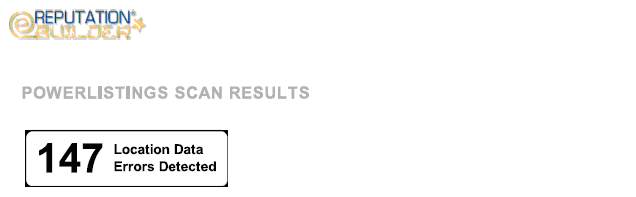
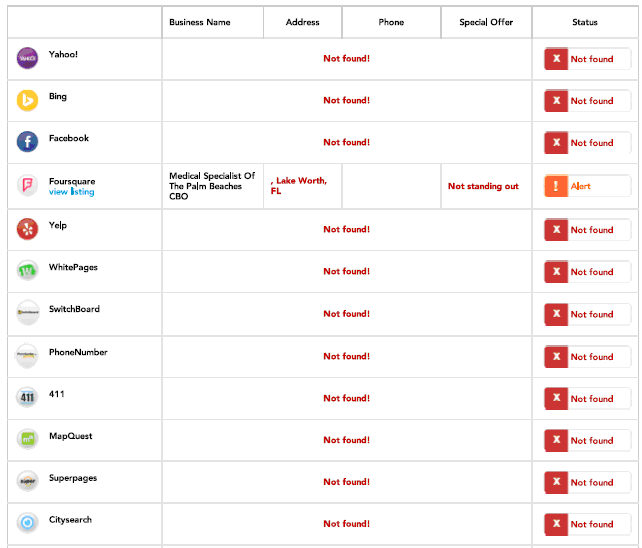
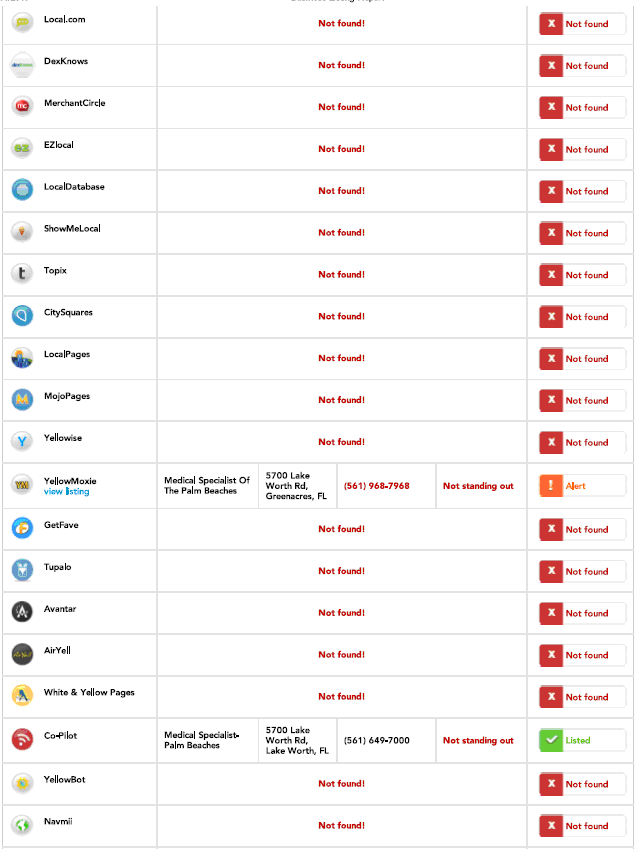
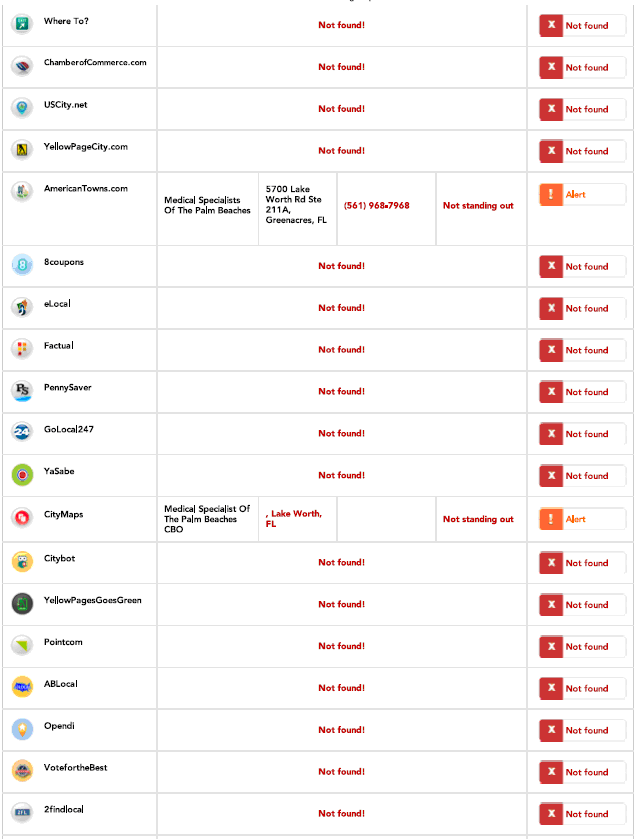
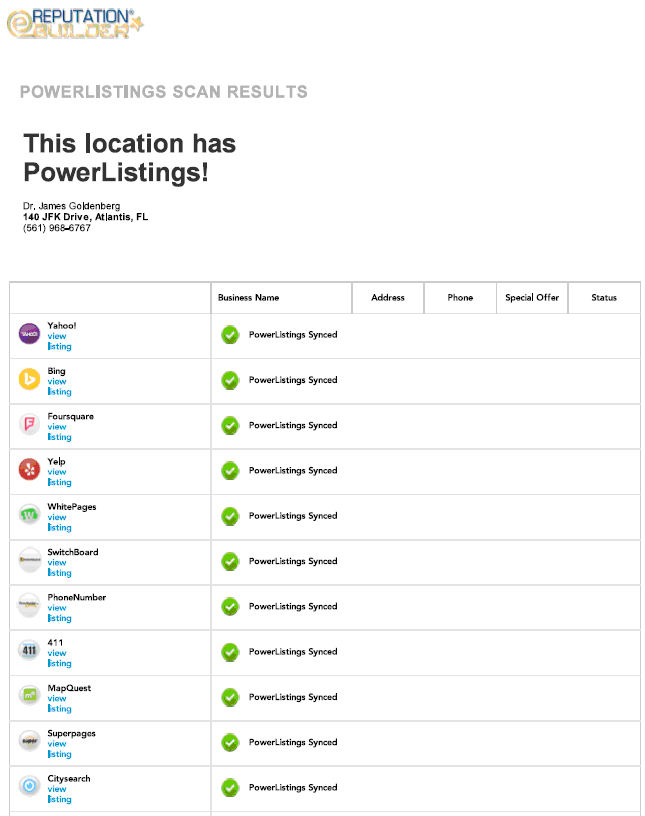
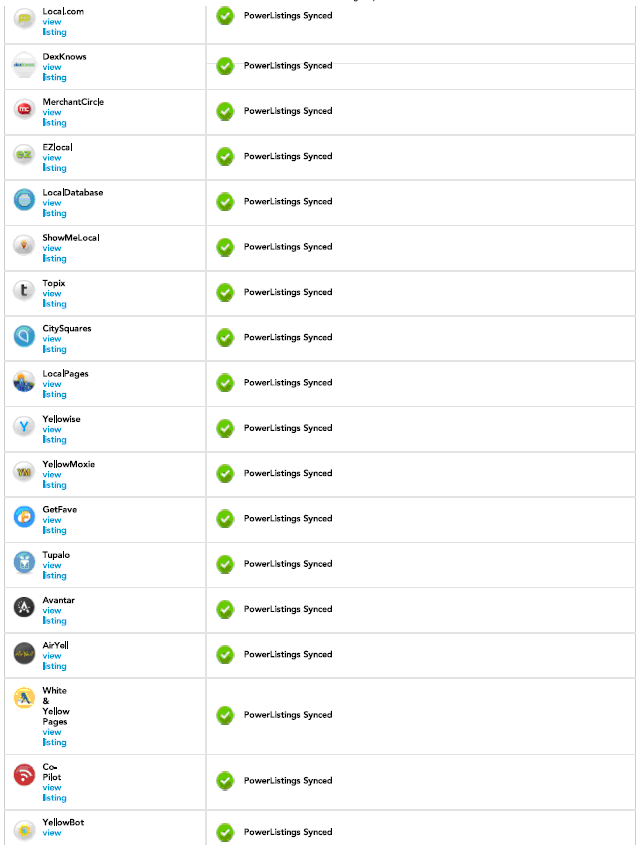
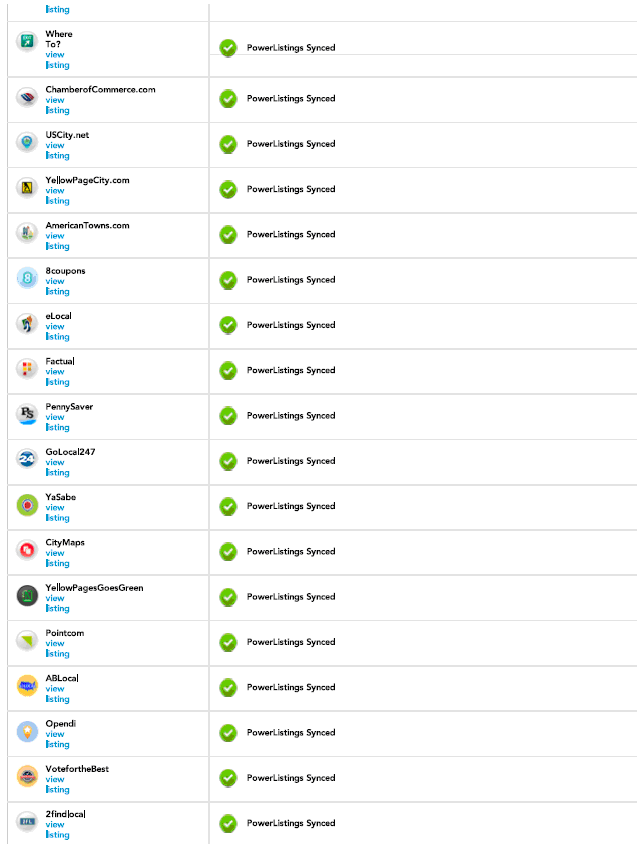
Dr. Goldenberg Case Study https://ereputationbuilder.com/dr-goldenberg-case-study/ Thu, 02 Jul 2015 16:00:46 +0000 http://ereputationbuilder.com/?p=1349 At the beginning of the pilot, we ran a baseline diagnostic to assess the Dr. Internet presence on many on-line rating sites. The baseline diagnostic revealed several problems across the universe of on-line rating sites; such as broken links, inaccurate listing information, and for some on-line rating sites, no presence at all.

The following image highlights the results of the baseline diagnostic, performed on March 6, 2015:

case-study-img1


case-study-img2

case-study-img3

case-study-img4

As a result, we instituted a program that successfully corrected all of the issues that were identified by the baseline diagnostic. The following image highlights the results of the same diagnostic, performed on June 2, 2015:

case-study-img5

case-study-img6

case-study-img7

case-study-img8

]]>
How to Keep Bad Reviews Off the Review Sites https://ereputationbuilder.com/how-to-keep-bad-reviews-off-the-review-sites/ Fri, 20 Mar 2015 21:16:49 +0000 http://erep.cactusskydigital.com/?p=1193 Deprecated: preg_split(): Passing null to parameter #2 ($subject) of type string is deprecated in /homepages/38/d844230958/htdocs/clickandbuilds/ereputationbuilder/wp-includes/formatting.php on line 3501
]]>

Your online reputation not only helps you earn new business, it helps you keep existing customers. You may not be able to take down negative reviews, but you can prevent future negative reviews from being published.

Our System:

Through a mobile-responsive email, we proactively ask your customers to review their experience with your business.

  1. Satisfied customers are directed to the major review sites to leave a positive review.
  2. Unsatisfied customers are advised to click the “Not Satisfied” button to share their complaint directly with the business in a one-on-one format.
  3. Customer service can resolve the issue privately and even earn their business back.

Your customers are going online before ever setting foot inside your business. What kind of reviews are they reading?

]]>
Turning Unhappy Customers Into Raving Fans https://ereputationbuilder.com/turning-unhappy-customers-into-raving-fans/ Fri, 14 Feb 2014 07:45:19 +0000 http://ereputationbuilder.com/?p=441 Handling Customer Complaints

In the world of reputation management, we’re often focused on the important star reviews and how they look in Google searches for our name. While this is an extremely important aspect of automotive reputation management, it’s not the most crucial goal of a strong reputation management service. At the end of the day, we want to make people happy.

This might seem like a no-brainer statement, but it seems to be missed by so many companies in our industry. The primary reason that my company acquired a stake in eRepBuilder was because we have found that their way of addressing unhappy customers’ needs for the dealers is the best first step in preventing reputation disaster.

First and foremost, you must identify those who had a bad experience at the dealership. Sometimes, people aren’t willing to express their displeasure while at the dealership, but they’ll certainly let their friends and family know about it at the least and they may want to burn the dealership with a scathing review on public sites. Our goal and the goal of the dealership is to identify the unhappy customers and take action to make it right.

Dealerships cannot wait until the negative review comes online before trying to correct the situation. They must be proactive in their efforts to identify those who were less than satisfied. The process by which we do it is similar to many of the reputation management companies out there, but with one major exception.

Most will send out a “survey” in an effort to prevent prompting a negative review. They will lead with an email to get the sentiment of the customer, then turn around and only encourage those expressing positive sentiment with a second email wanting them to fill out a review online. Those who were not satisfied will get a different email altogether asking them to contact the dealership directly.

This is called filtering. It’s frowned upon by most of the major review sites and can actually get a dealership in trouble if an unnatural trend is discovered. Rather than risk getting caught filtering, dealerships should do what eRepBuilder does for clients.

There should be a single email. That way, everyone has equal opportunity to leave a review. Some dealerships may be scared of this, thinking that if someone is unhappy and they see the link to Yelp, Google+, or DealerRater, they might actually click on them and fill out a bad review. However, eRepBuilder has a bold call to action on the review pages and emails prompting those who had a bad experience to contact the dealership directly.

This prevents filtering – the single email gives everyone ample opportunity to leave a good or bad review. However, that singular prompt to contact the dealership within the same email makes it more appropriate and encourages one of the two actions from the customer depending on how they feel.

People aren’t stupid. They know that there are review sites out there and a prompt within an email to leave a bad review is most often bypassed by unhappy customers in favor of opening a direct line of communication. Most people who leave a bad review do so because they were not given a channel through which to easily contact the dealership to express their dissatisfaction in that manner.

Once unhappy customers are identified through direct communication, the dealership now has the opportunity to fix the issue or simply to apologize for the incident or trigger that made the customer unhappy in the first place. This is the most important step. Do what you can when you can to make it right.

The biggest trap in the automotive reputation management world is when dealers are made to believe that the dangerous two-step filtering process is the right way to go. It isn’t. It’s dangerous. More importantly, it betrays the opportunity to make things right. Some people may express their dissatisfaction through the initial email, then not want to be bothered by the second email asking for more details. Using eRepBuilder takes away from this concept altogether.

If you make things right based upon empathy, hard work, and a sincere desire to earn their respect, unhappy customers can often easily be turned into raving fans. That’s the real goal.

Keep it simple. One email. Find upset customers. Make them happy. Reputation management shouldn’t be about stopping negative reviews. It should be about improving relationships with all customers whether they were initially happy or not.

]]>
Done Deal at #NADA2014: Dealer Authority Acquires Stake in eRepBuilder https://ereputationbuilder.com/done-deal-at-nada2014-dealer-authority-acquires-stake-in-erepbuilder/ Sun, 26 Jan 2014 11:54:58 +0000 http://ereputationbuilder.com/?p=384 Dealer Authority Social

It came about like a whirlwind. A partnership was budding. Product enhancements were being discussed. Next thing you know, Dealer Authority acquired a stake of our company to help build the strongest automotive reputation management solution to market.

The official release will go out next week but we couldn’t wait. As discussions progressed through the first half of the NADA Convention in New Orleans, it became clear that the synergy was too strong and the directions were too well aligned for us to wait until after the show.

Dealer Authority and their founders, JD Rucker and Tyson Madliger, bring their expertise in search and social to our suite of reputation management products in order to form the first complete solution. While many vendors in the industry offer monitoring, review growth, social media, and search engine optimization, eReputationBuilder will be the first to align the disciplines together to make them work in harmony for the dealers’ benefit.

We’re excited to have put the deal together so quickly. More news coming, including a rebranding and additions to the team, but we couldn’t wait to let everyone know now. Come see us at NADA at booth #4401.

]]>
Why Dealers SHOULD Ask for Yelp Reviews https://ereputationbuilder.com/why-dealers-should-ask-for-yelp-reviews/ Fri, 27 Dec 2013 03:30:51 +0000 http://ereputationbuilder.com/?p=313 Touch

If you listen to Yelp, they will tell you that you should never ask customers to review you. Their perspective is on that says that if people want to leave a review, that they will do it on their own without prompting. This is true when it comes to some businesses – restaurants, hotels, services such as hair salons. In the automotive industry, Yelp and other review sites seem to have a misconception of their role on the internet. For most business types, they are not a place where people leave reviews. They’re a place where people vent.

When you finish a satisfying meal at a restaurant, for example, there’s a natural tendency within active Yelp users to leave their opinion. It’s a habit. If you look at the list of places that the average active Yelp user reviews, the majority of them will be restaurants. That’s just the way it is. Many of them eat out multiple times per month and leave reviews everywhere they go. It’s a habit.

Buying a car is a different experience. There is no habit upon which to fall back since it’s not something people do every week, every month, or even every year. As a result, there is no natural tendency to want to leave a Yelp review about a car dealership. They could be more satisfied with their experience than they were with any 5-star burger joint they ate at for lunch that day, but they are much less likely to think along the lines of leaving a review after buying a car than after eating some french fries.

Yelp doesn’t agree. It’s not that they’re naive, nor are they completely self-serving in their opinion. Their goal in the long run is to get as many people as possible authentically reviewing as many businesses as possible as often as possible. They must also be protective about their turf. Review sites have been getting some negative press over the last year as businesses and marketing agencies have been getting caught leaving fake reviews. The best thing they have going for them is credibility and they must maintain it as long as possible, if not indefinitely.

We understand Yelp’s position. We really do. In fact, we agree with it in many ways, particularly for everyday businesses like restaurants and dry cleaners. However, buying a car is not an everyday experience and should be handled differently.

Asking for Yelp reviews must be done the right way. This isn’t a bulk play. It can’t be. Dealers and other reputation management companies often blast out poorly worded filtering emails asking people to share their experience in a survey. If the survey comes back positive, they’re sent a second email asking them to review the dealership on Yelp and other review sites. This is bad. It’s called filtering. It won’t last forever and will likely be a black eye for those who are participating once word gets out.

We believe the best way to get reviews is to ask transparently. One email. No filtering. Yelp and other review sites should be emailed out “blind” without knowledge of whether the customers were satisfied or not. Now, obviously this won’t work for dealerships that truly have customer service issues, but if a dealership is treating customers right and delivering an excellent experience, there’s no reason why the reviews need to be filtered. Does that mean some reviews will come back negative? Yes. Is it a terrible thing if a bad review slips in amongst several strong reviews? Absolutely not, and we’ll cover why this is the case in a future post.

The important thing is to know that filtering is bad. That does not mean that you shouldn’t give a special method through which unhappy customers can contact you directly. We believe that dealerships want to hear directly from their customers who were not satisfied, so we include that option in every email. However, testing the waters with a survey is the wrong way to go about doing this.

Asking for Yelp reviews isn’t bad unless you’re doing it the wrong way. If you do it properly, your excellent customer service will be rewarded.

]]>
Can Reputation Management and Social Media Marketing Co-Exist? https://ereputationbuilder.com/can-reputation-management-and-social-media-marketing-co-exist/ Thu, 19 Dec 2013 14:48:17 +0000 http://ereputationbuilder.com/?p=301 Faceyelp

Ever since the rise of the two separate disciplines of social media marketing and reputation management, there has been an open debate about whether or not to cross-classify the various platforms encompassed by them. Is Facebook a component of reputation management? Is Yelp part of social media marketing? Are they really just a singular entity with different components?

The connections are clear. Facebook has reputation attributes to it. People can review businesses on the platform. They talk about businesses all the time on social sites – it’s not limited to Facebook.

The inverse is true as well. Sites like Yelp do have social components to them. People can become friends with other Yelpers. They can like their reviews and share them on social sites.

Add Google Local to the mix and now you have a full-blown social/review hybrid.

There is no doubt that reputation management and social media markting are similar enough to classify them together in the same way that cars and trucks are both vehicles. With this stipulated, it’s fair to say that there are two disciplines operating in the same field that differentiate themselves through goals and techniques. Managing reputation is a completely different set of strategies than marketing on social media.

Should companies specialize in both? Can they specialize in both and still offer the right level of service to each? Our opinion is that, despite the similarities, there is no way for a company to serve both masters without sacrificing quality unless they separate the disciplines and operate them independently. The social media marketer, if they’re really worth their weight in gold, cannot keep up with the changes and demands of reputation management and visa versa.

It is for this reason that we’ve chosen to specialize in reputation. While we are pursuing a partnership with a social media marketing firm, reputation management is simply too specialized to start delving into its close cousin on the marketing side.

We specialize in managing reputation, delivering the highest level of service and expertise in this challenging discipline.

]]>
Download Peter Martin’s Presentation From Digital Dealer 15 https://ereputationbuilder.com/download-peter-martins-presentation-from-digital-dealer-15/ Tue, 05 Nov 2013 00:37:09 +0000 http://ereputationbuilder.com/?p=145 Click on one of the links below to download Peter Martin’s presentations from Digital Dealer 15 in Las Vegas.

Peter_Martin_DD15_OnlineReputation

DD15_Best_practices_to_doubling_your_Internet_closing_ratio_90_days

]]>